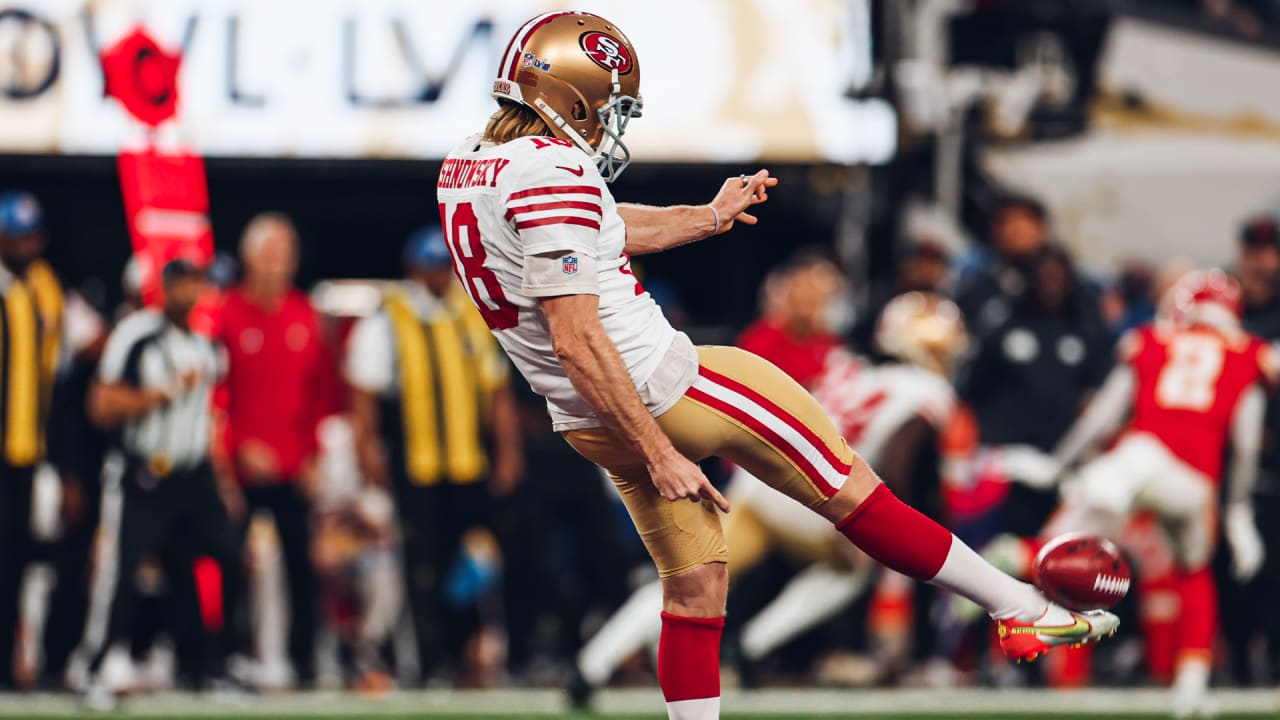
It's week one of the NFL season, which means you're about to watch grown men with millions of dollars and full analytics departments make the same wrong call, over and over, on national television. Fourth and two from your own 40. The analytics have been unambiguous for years: teams that go for it in that spot win more often than teams that punt. Coaches know this — plenty of them employ someone whose entire job is to remind them of it in real time, on a headset, mid-drive. And still, on fourth and two, most of them send out the punt team. Watch for it this fall. You won't have to wait long.
The coach isn't ignoring the model
The easy explanation is that coaches are stubborn, old-school, allergic to spreadsheets. That explanation is mostly wrong; wrong in a way that matters for anyone who runs a product organization. Coaches aren't ignoring the model. They're pricing in something the model doesn't measure: what happens to them personally when the bold call fails. A punt that leads to a loss is business as usual, and nobody gets fired. A failed fourth-down conversion that leads to the same loss becomes the headline, the thing the beat writers ask about Monday morning, the moment a general manager remembers in December. The expected value of the aggressive call might be higher. The expected blame is not, and blame is the variable that actually determines whether you have a job next year.
The same hidden term, in your roadmap
Product organizations that call themselves data-driven carry the exact same hidden term in their cost function, yet almost none of them have written it down. I sat in a roadmap review a few years back where the numbers were about as clear as numbers get. Usage data said a modest, safe improvement to something we'd already shipped would move the needle a little. A riskier bet — one that touched onboarding and could have doubled activation if it worked — carried real technical risk and a real chance of falling flat in a highly visible way. The team picked the safe feature. Nobody in the room disputed the analysis. We picked it anyway, and at the time I remember thinking we'd made a rational call (I don't think that anymore.) We talk about prioritization frameworks, weighted scoring, opportunity cost — all of it real, all of it useful, and none of it accounting for the fact that the person recommending the bold bet is the same person who will sit with the executive team and explain what went wrong if it doesn't land. That changes how you read a spreadsheet. A roadmap slide with three options on it is never really three options with different expected returns. It's three options with different blast radii, and the person building the slide knows exactly which one leaves the smallest crater if it goes wrong.
Boldness isn't the point
None of this means the aggressive bet is always right, any more than going for it on every fourth down would be. Coaches who chase the model blindly, with no feel for the game in front of them, lose too. The problem isn't boldness or caution in the abstract. It's that most teams pretend the decision is being made on the data alone, when a second, unstated cost function is doing at least as much of the work. And because it's unstated, nobody gets to examine whether it's sending the org toward the right answer or just the answer that's easiest to defend afterward.
Name the cost function out loud
The fix here is to name the cost function out loud, in the room, before the decision gets made (the fix isn't a slogan about being braver!) What actually happens to this team, and to me, if we take the aggressive path and it fails — not in the vague sense of "it wouldn't look great," but the specific, concrete version: whose trust do we lose, what conversation do I have to have, what does the next quarter look like. Once that's on the table next to the upside, you can at least have an honest conversation about whether the trade is worth it, instead of dressing up risk aversion as rigor. Some weeks the honest answer will still be to punt. But it'll be a decision your team actually made, not one a hidden incentive made for you while everyone in the room thought they were just following the numbers.